Spring Vegetable Brunch Frittata
Highlighted under: Seasonal Cooking Ideas
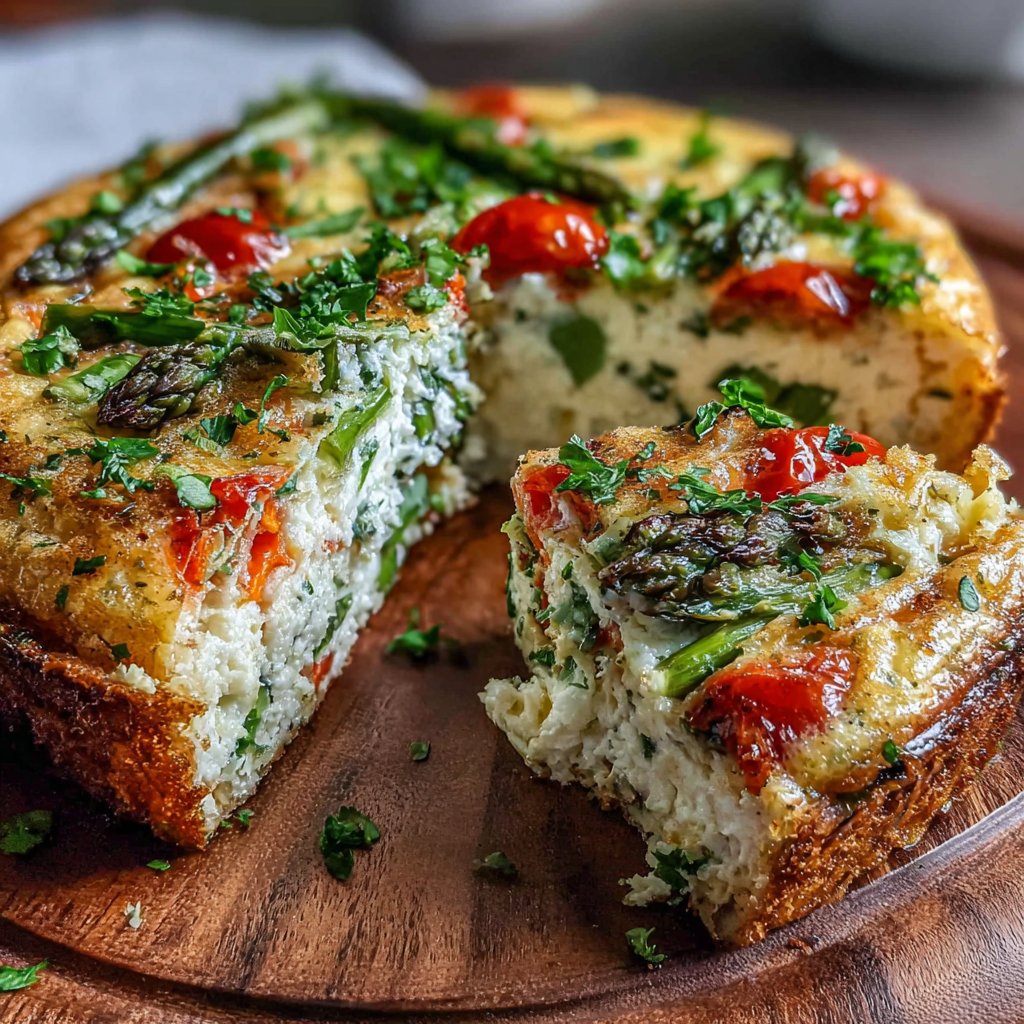
I absolutely love making frittatas for brunch, especially when the seasons change and fresh vegetables become available. This Spring Vegetable Brunch Frittata is my go-to recipe for showcasing the vibrant produce of the season. It’s not only visually appealing but also incredibly delicious and satisfying. I enjoy how versatile frittatas are; you can easily customize them with whatever veggies you have on hand. Plus, it comes together quickly and is perfect for impressing guests or treating myself on a lazy Sunday morning.
When I first started experimenting with frittatas, I realized how forgiving they are, which makes them a perfect dish for new cooks looking to try something different. I love loading them up with seasonal vegetables; it really enhances the flavor and adds a colorful presentation. Using a mix of eggs and just a splash of cream gives the frittata that rich, tender texture that melts in your mouth.
One of my favorite aspects of this recipe is how customizable it is. If you have leftover roasted veggies or a bit of cheese in your fridge, throw them in! Each time I make this frittata, I discover a new combination I adore. Don't be afraid to play with the ingredients according to what’s fresh and in season.
Why You Will Love This Recipe
- Packed with fresh, vibrant spring vegetables
- Light, fluffy texture and rich flavor
- Perfect for brunch gatherings or a cozy family meal
Understanding Frittata Techniques
To achieve the ideal light and fluffy texture in your frittata, it's important to whisk the eggs vigorously. Whipping air into the egg mixture helps create a lift during cooking. Aim for a glossy appearance, which means the eggs are well-aerated. This step can make a significant difference in the final outcome. When combined with the heavy cream, the frittata retains moisture while achieving a delightful richness that’s characteristic of a well-prepared dish.
Using an oven-safe skillet is crucial for frittatas, as they begin cooking on the stovetop and finish in the oven. I recommend choosing a non-stick or well-seasoned cast-iron skillet which can help prevent sticking and provide even heat distribution. By transferring the skillet to the oven before the edges firm up, you allow the center to remain creamy while the outside develops a golden crust, resulting in a balanced texture throughout.
Choosing Fresh Spring Vegetables
The selection of fresh vegetables plays a key role in making your frittata vibrant and flavorful. Asparagus adds a sought-after crunch and bright green color, while cherry tomatoes bring sweetness and juiciness. When choosing them, look for firm asparagus and brightly colored tomatoes for the best flavor. If you're unable to find these seasonal staples, consider substitutes like bell peppers or zucchini. They provide a similar texture and can be sautéed until tender without compromising the frittata's flavor profile.
Incorporating spinach not only adds nutritional value but also enhances the frittata’s color and visual appeal. When wilted, it blends seamlessly into the egg mixture while adding a mild earthiness. If you prefer a more robust flavor, kale or Swiss chard can be used, but make sure to sauté them a little longer until soft. The key is ensuring all vegetables are cut uniformly so they cook evenly, enhancing both texture and taste.
Serving and Storing Tips
Once baked, allow the frittata to cool slightly before slicing. This resting time helps the frittata set further, making it easier to cut and serve. You can pair it with a simple green salad or a dollop of yogurt for a refreshing contrast. If you're entertaining, consider slicing it into small wedges for easy serving and a beautiful presentation. It makes for a stunning centerpiece at brunch and allows guests to enjoy it at their own pace.
For leftovers, store the frittata in an airtight container in the refrigerator for up to three days. Reheat individual slices in the microwave for about 30 seconds or in a skillet over low heat for a few minutes until warmed through. Frittatas also freeze well; wrap slices tightly in foil and plastic wrap before freezing for up to a month. This way, you can enjoy a taste of spring any time you crave it, simply reheat directly from frozen in the oven.
Ingredients
Ingredients
Frittata Base
- 8 large eggs
- 1/4 cup heavy cream
- Salt and pepper to taste
Spring Vegetables
- 1 cup asparagus, trimmed and cut into 1-inch pieces
- 1 cup cherry tomatoes, halved
- 1 cup fresh spinach leaves
- 1/2 cup onion, diced
- 1/4 cup feta cheese, crumbled
Instructions
Steps
Prepare the Oven
Preheat your oven to 375°F (190°C).
Whisk the Eggs
In a large bowl, whisk together the eggs, heavy cream, salt, and pepper until well combined.
Sauté the Vegetables
In a large, oven-safe skillet, heat a little olive oil over medium heat. Add the onions and asparagus, sautéing for about 3-4 minutes until slightly tender. Then add the cherry tomatoes and spinach, cooking until the spinach wilts.
Combine and Cook
Pour the egg mixture over the sautéed vegetables, gently stir to combine, and sprinkle the feta cheese on top. Let it cook on the stovetop for about 5 minutes until the edges start to set.
Bake the Frittata
Transfer the skillet to the preheated oven and bake for 20 minutes, or until the eggs are fully set and lightly golden on top.
Serve
Allow the frittata to cool for a few minutes before slicing. Serve warm, and enjoy your delightful spring brunch!

Pro Tips
- Feel free to substitute any seasonal vegetables you prefer or have on hand. Herbs like basil or dill can also enhance the flavor. For added richness, you can mix in ripe avocado slices before serving.
Ingredient Versatility
One of the joys of making a frittata is the flexibility it offers. You can easily adapt this recipe to accommodate seasonal produce or personal preferences. For instance, swap out the asparagus for green beans or add in some sautéed mushrooms for a robust flavor. If you’re looking for a dairy-free option, consider substituting the heavy cream with almond milk or coconut cream. Each option brings a unique twist to the dish while keeping it delicious.
For those looking to boost protein content, adding cooked bacon or diced ham can elevate the flavor and make the frittata more filling. Alternatively, crumbled tofu can be used as a substitute for eggs in a vegan version, ensuring everyone can enjoy this dish. Experimenting with herbs like basil or dill can also enhance the flavor profile, offering a fresh twist that speaks to your personal taste.
Troubleshooting Common Issues
If you find that your frittata sticks to the skillet, a good tip is to use a non-stick spray before pouring in the egg mixture and ensure the skillet is well-heated. Avoid overcrowding the pan with too many vegetables, which can lead to a watery consistency. If this occurs, try removing excess moisture by sautéing vegetables separately, allowing steam to escape. Adjusting the cook time can help; if the frittata appears too wet even after baking, it may need a few extra minutes in the oven.
Another common issue is a frittata that turns out dense instead of fluffy. This could be due to overcooking or not incorporating enough air into the egg mixture. Be mindful of cooking times: it should be removed from the oven when the center is just set but not dry. Practicing these techniques will help you master the art of frittata-making, ensuring a delightful outcome each time.
Questions About Recipes
→ Can I make this frittata in advance?
Yes, you can prepare the frittata a day ahead and store it in the fridge. Just reheat it lightly before serving.
→ What can I substitute for heavy cream?
You can use half-and-half or whole milk for a lighter option, though it may alter the texture slightly.
→ Can I freeze the frittata?
While I recommend enjoying it fresh, you can freeze individual slices. Wrap them tightly in plastic wrap, then in foil before freezing.
→ Which vegetables work best in a frittata?
Any vegetables can work, but I love using bell peppers, zucchini, or mushrooms. Just be sure to cook them first to release excess moisture.
Spring Vegetable Brunch Frittata
Created by: The Seasonedscoop Team
Recipe Type: Seasonal Cooking Ideas
Skill Level: Easy
Final Quantity: 4 servings
What You'll Need
Frittata Base
- 8 large eggs
- 1/4 cup heavy cream
- Salt and pepper to taste
Spring Vegetables
- 1 cup asparagus, trimmed and cut into 1-inch pieces
- 1 cup cherry tomatoes, halved
- 1 cup fresh spinach leaves
- 1/2 cup onion, diced
- 1/4 cup feta cheese, crumbled
How-To Steps
Preheat your oven to 375°F (190°C).
In a large bowl, whisk together the eggs, heavy cream, salt, and pepper until well combined.
In a large, oven-safe skillet, heat a little olive oil over medium heat. Add the onions and asparagus, sautéing for about 3-4 minutes until slightly tender. Then add the cherry tomatoes and spinach, cooking until the spinach wilts.
Pour the egg mixture over the sautéed vegetables, gently stir to combine, and sprinkle the feta cheese on top. Let it cook on the stovetop for about 5 minutes until the edges start to set.
Transfer the skillet to the preheated oven and bake for 20 minutes, or until the eggs are fully set and lightly golden on top.
Allow the frittata to cool for a few minutes before slicing. Serve warm, and enjoy your delightful spring brunch!
Extra Tips
- Feel free to substitute any seasonal vegetables you prefer or have on hand. Herbs like basil or dill can also enhance the flavor. For added richness, you can mix in ripe avocado slices before serving.
Nutritional Breakdown (Per Serving)
- Calories: 350 kcal
- Total Fat: 25g
- Saturated Fat: 10g
- Cholesterol: 210mg
- Sodium: 300mg
- Total Carbohydrates: 12g
- Dietary Fiber: 2g
- Sugars: 4g
- Protein: 20g